A full index of projects, experiments, and explorations.
In my freshman year at CU Boulder, Computational Foundations 2 introduced me to competitive programming through USA Computing Olympiad problems. Over the semester I worked through 25+ problems ranging from Bronze to Gold difficulty — covering graph traversal, dynamic programming, greedy algorithms, and geometric reasoning. It sharpened my analytical thinking and Python fluency under constraint.
View →A web overlay project built with HTML and CSS — I've been a competitive swimmer most of my life, so I chose a photo of Katie Ledecky and layered an Olympic rings graphic and headline over it. The project focused on CSS positioning, layering, and typographic hierarchy within a live image context.
View →A browser-based story generator built with HTML, CSS, and JavaScript that produces randomized silly stories in both US and UK terminology, and allows input of a custom name. The project introduced dynamic DOM manipulation and conditional logic in JS.
View →A deliberately terrible phone number input field — the challenge was to make entering a phone number as painful as possible using HTML, CSS, and JavaScript. Sliders, dropdowns, drag targets, and randomized field orders made simple data entry genuinely difficult. A fun exercise in understanding UX by intentionally breaking it.
View →
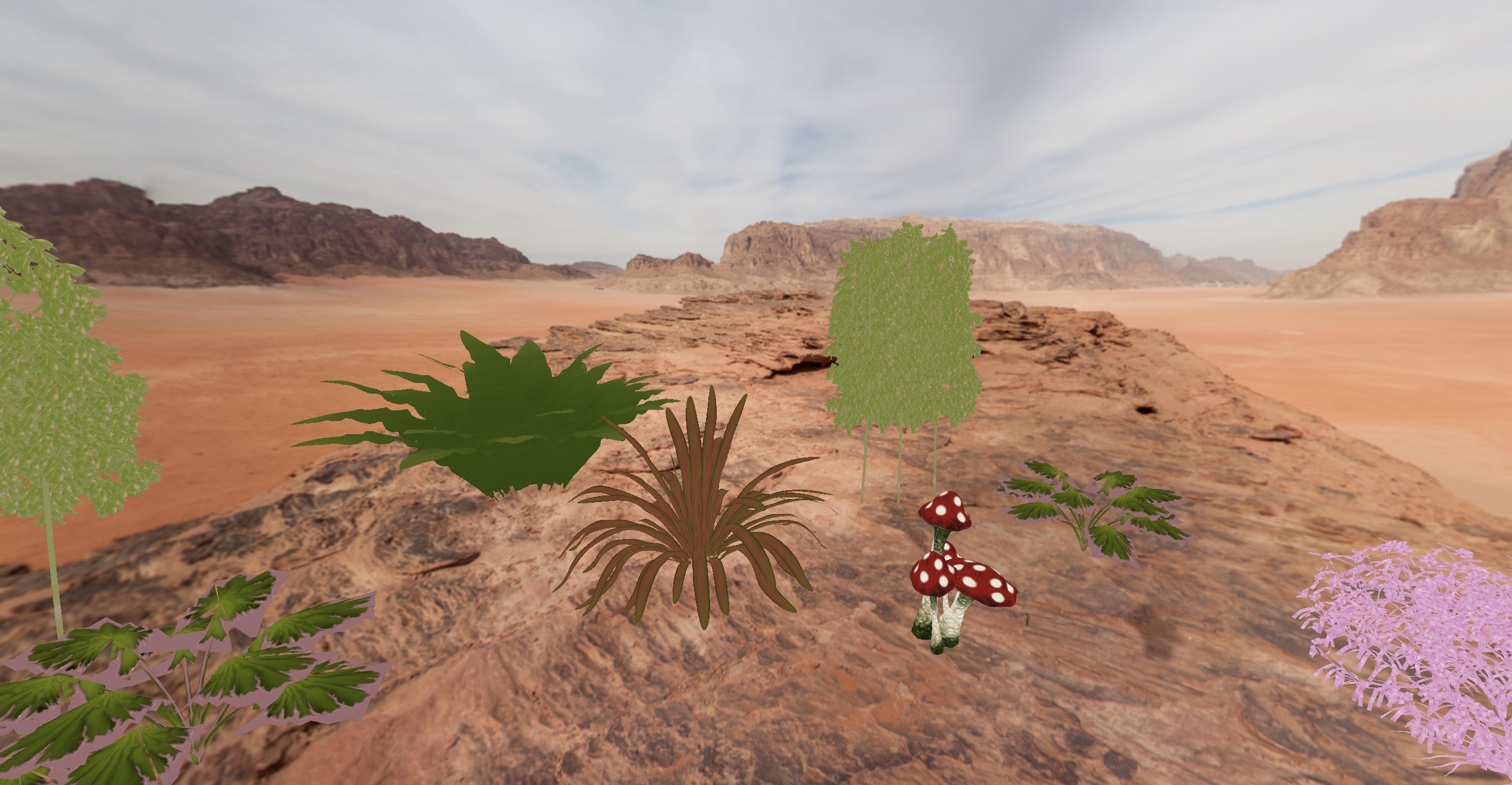
A VR world built using HTML and A-Frame/Glitch, populated with custom 3D objects, textures, and an equirectangular background image. The project explored immersive web-based environments and spatial design thinking without a traditional game engine.
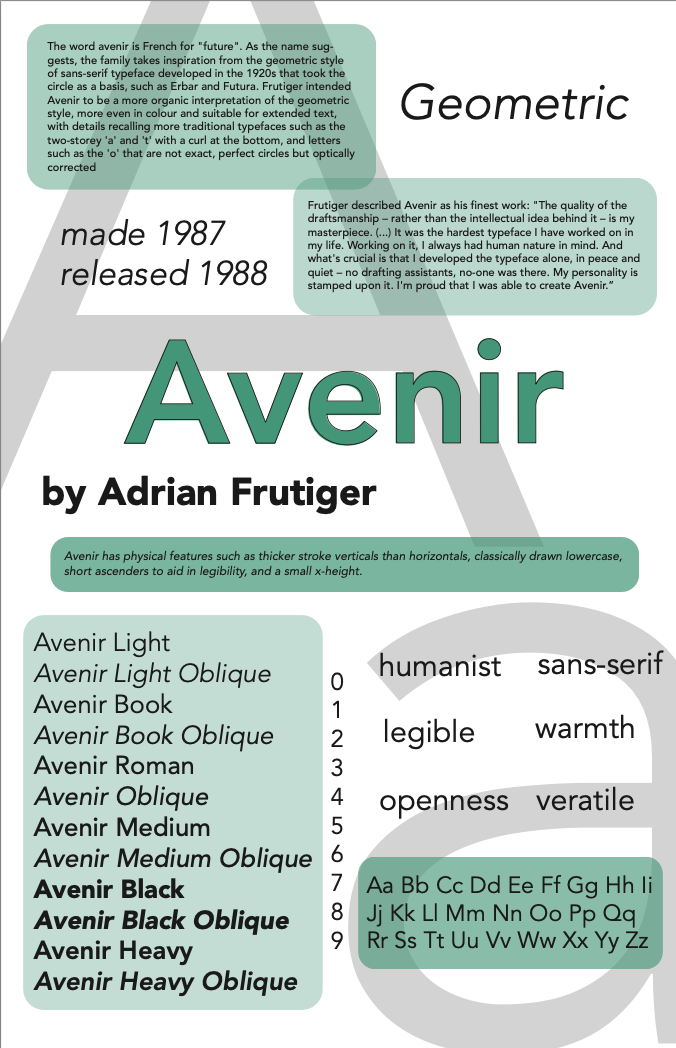
A type specimen poster for Avenir, designed in Adobe Illustrator. The project explored the typeface's geometric foundations and humanist corrections, producing specimens that demonstrate how a single family carries vastly different tonal registers across weights and sizes — from technical documentation to editorial warmth.
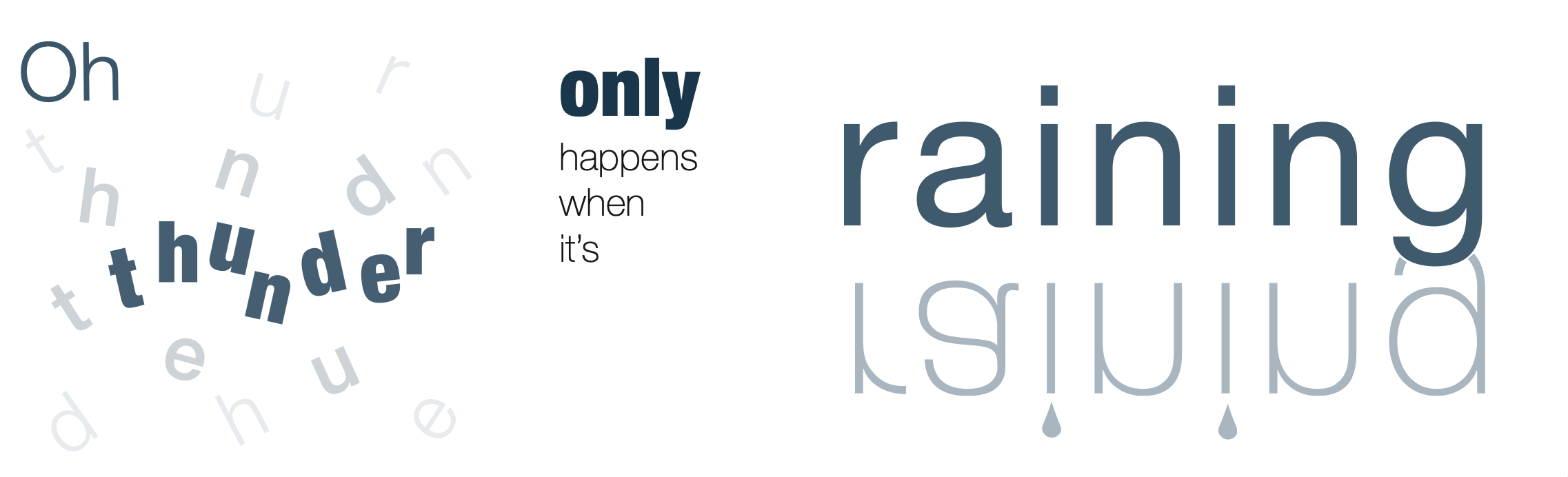
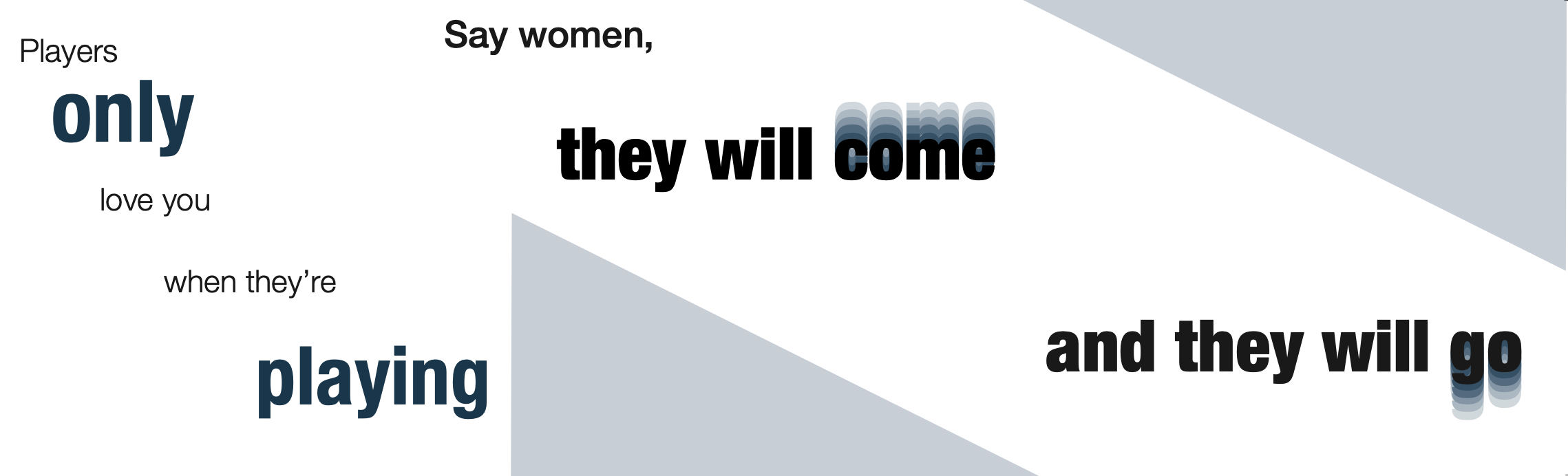
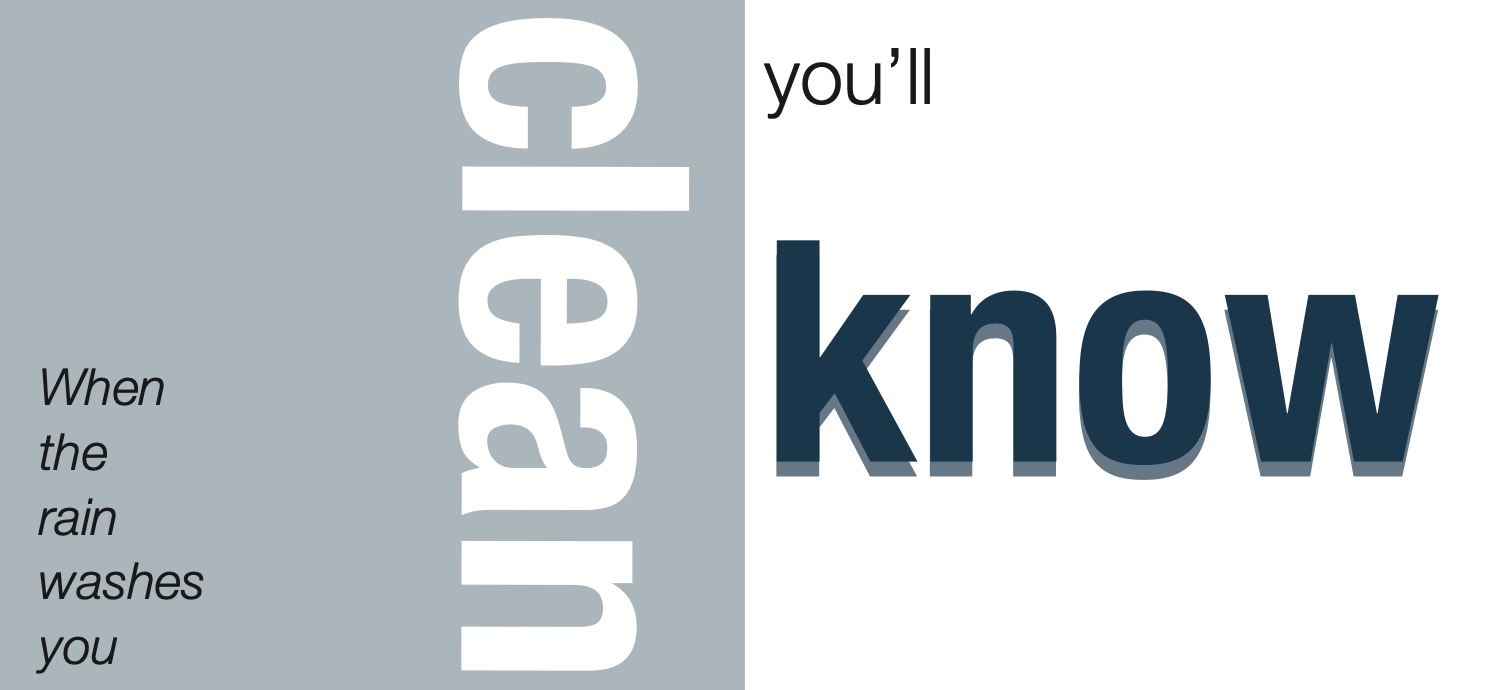
A printed accordion booklet designed in Adobe Illustrator that typographically expresses a lyric from Dreams by Fleetwood Mac. The folded format guided compositional decisions — each panel had to work alone and in sequence, with type as the primary visual element carrying mood and rhythm.
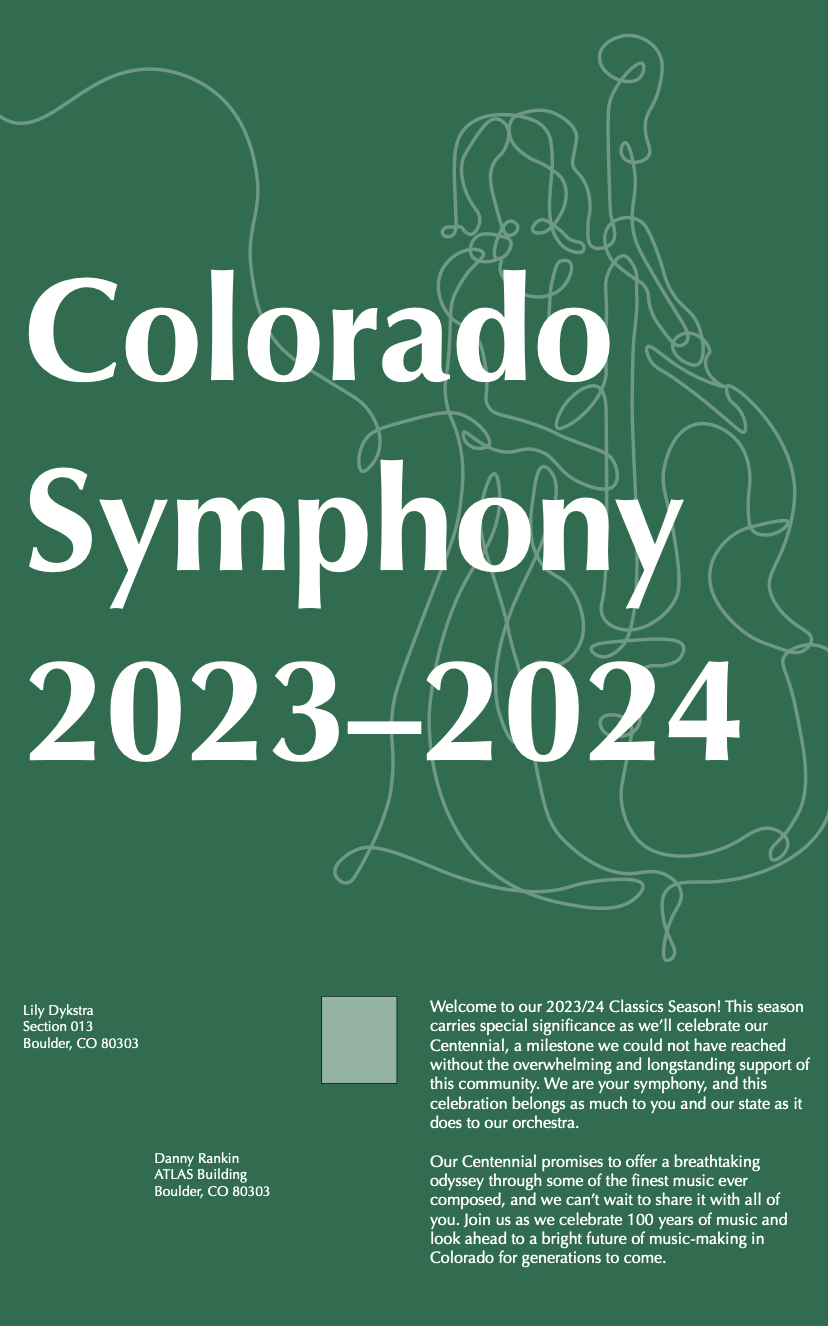
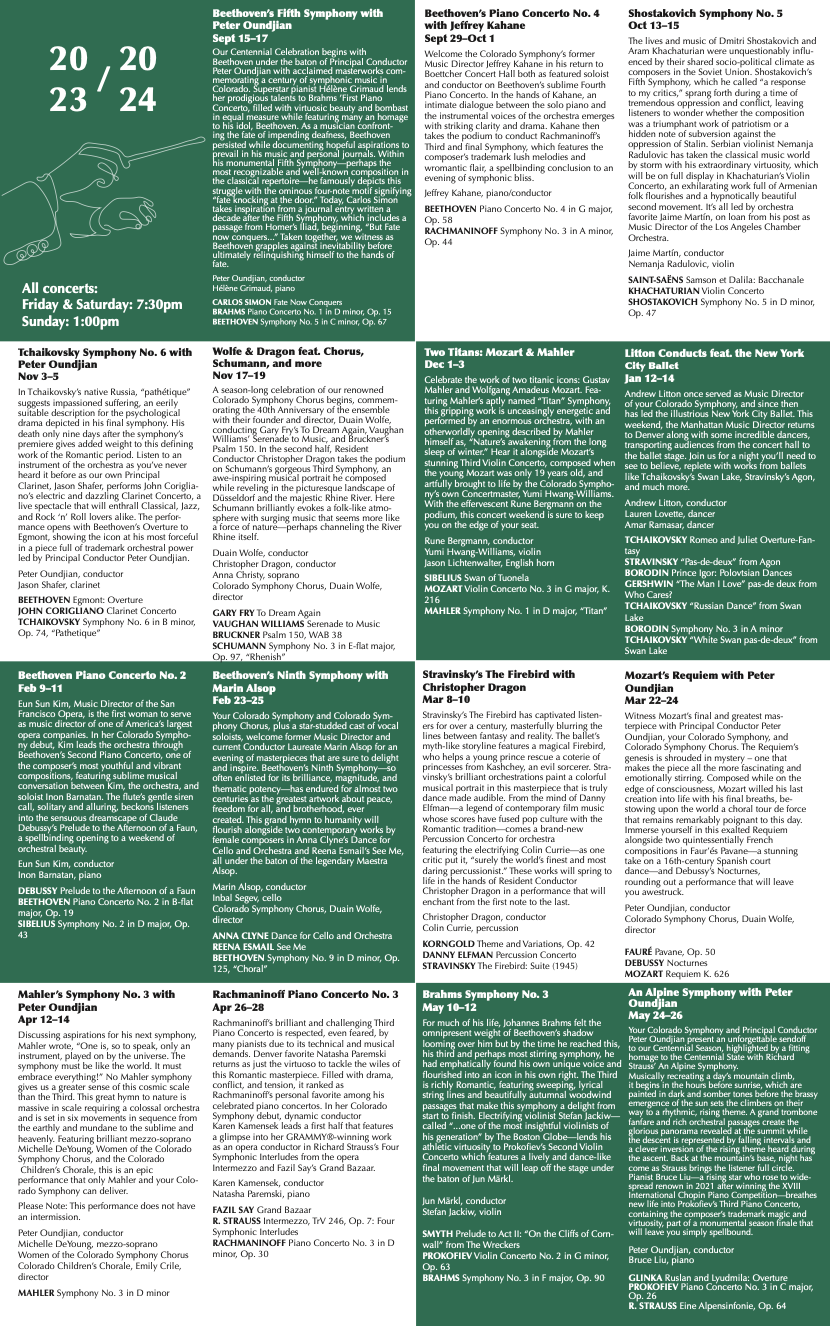
An informational poster mailer for the Colorado Symphony concert schedule, designed using strict grid layout principles in Adobe Illustrator and InDesign. The project focused on hierarchy, information architecture, and print-ready layout — balancing dense scheduling data with visual clarity and brand consistency.
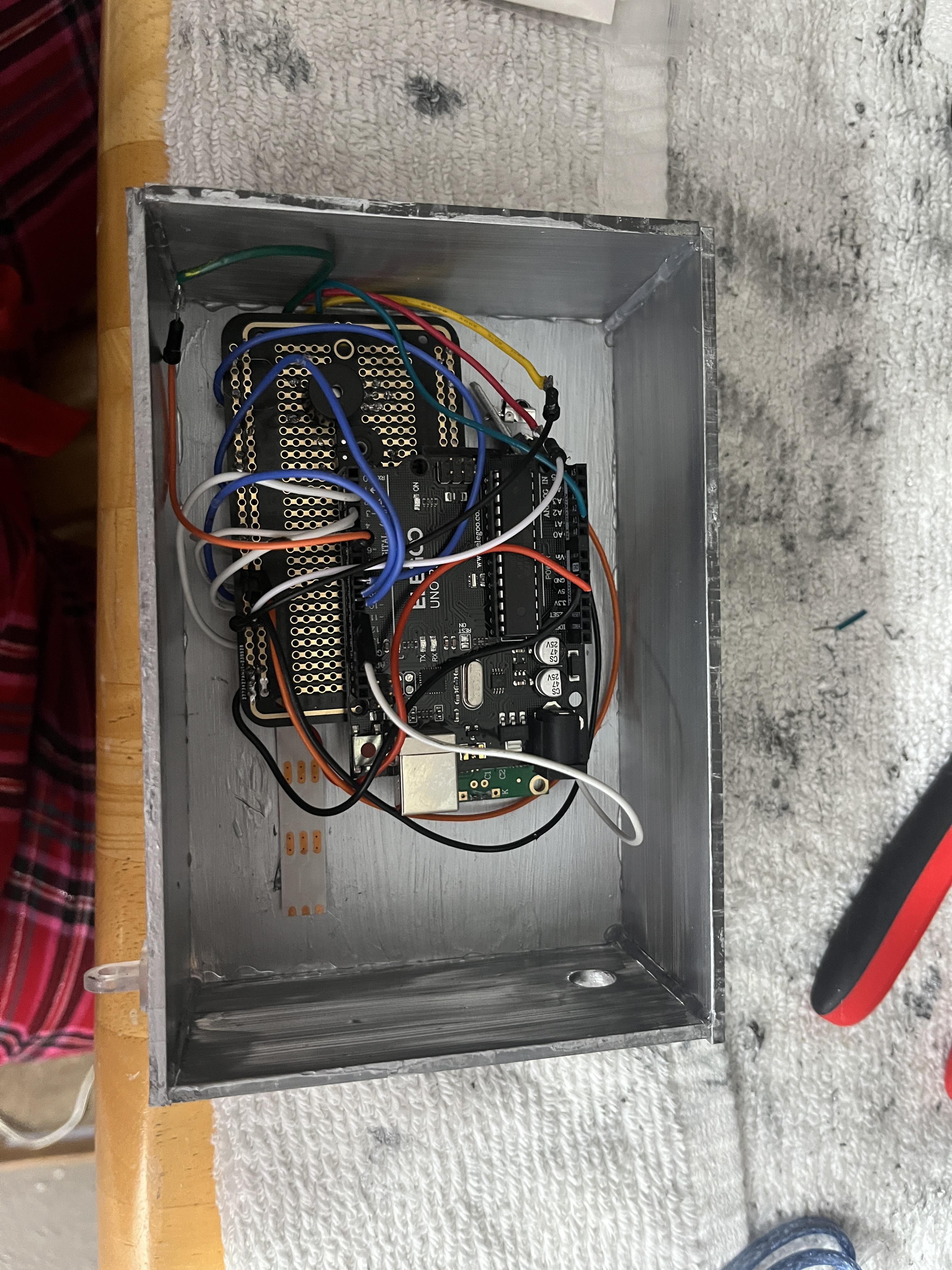
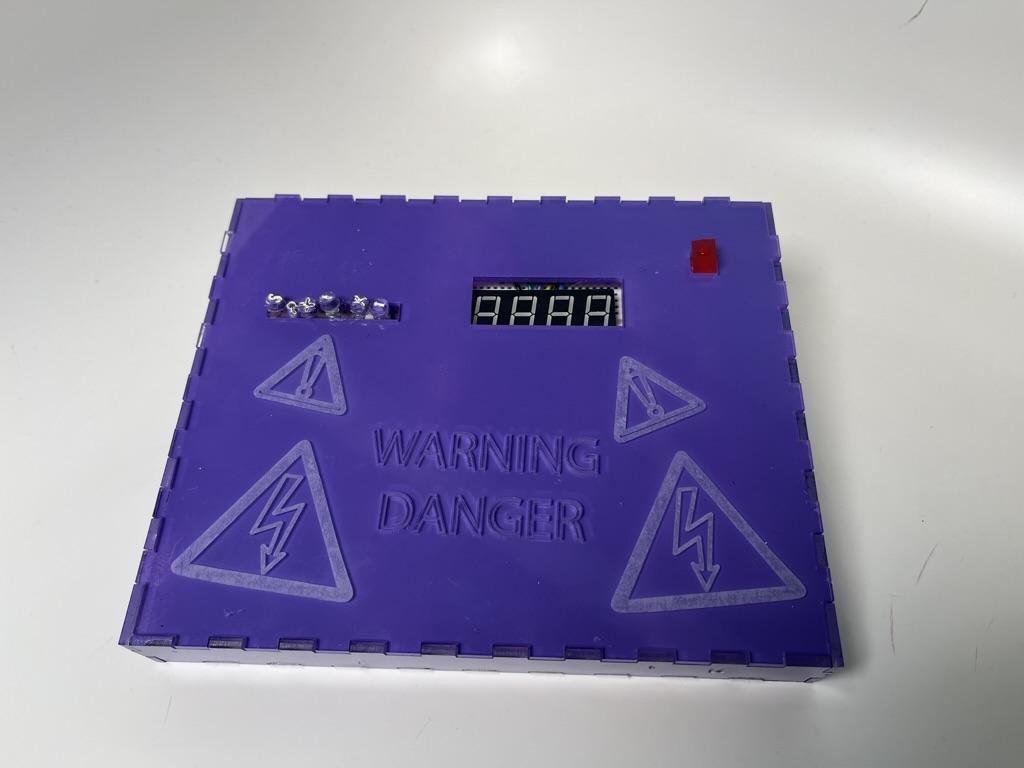
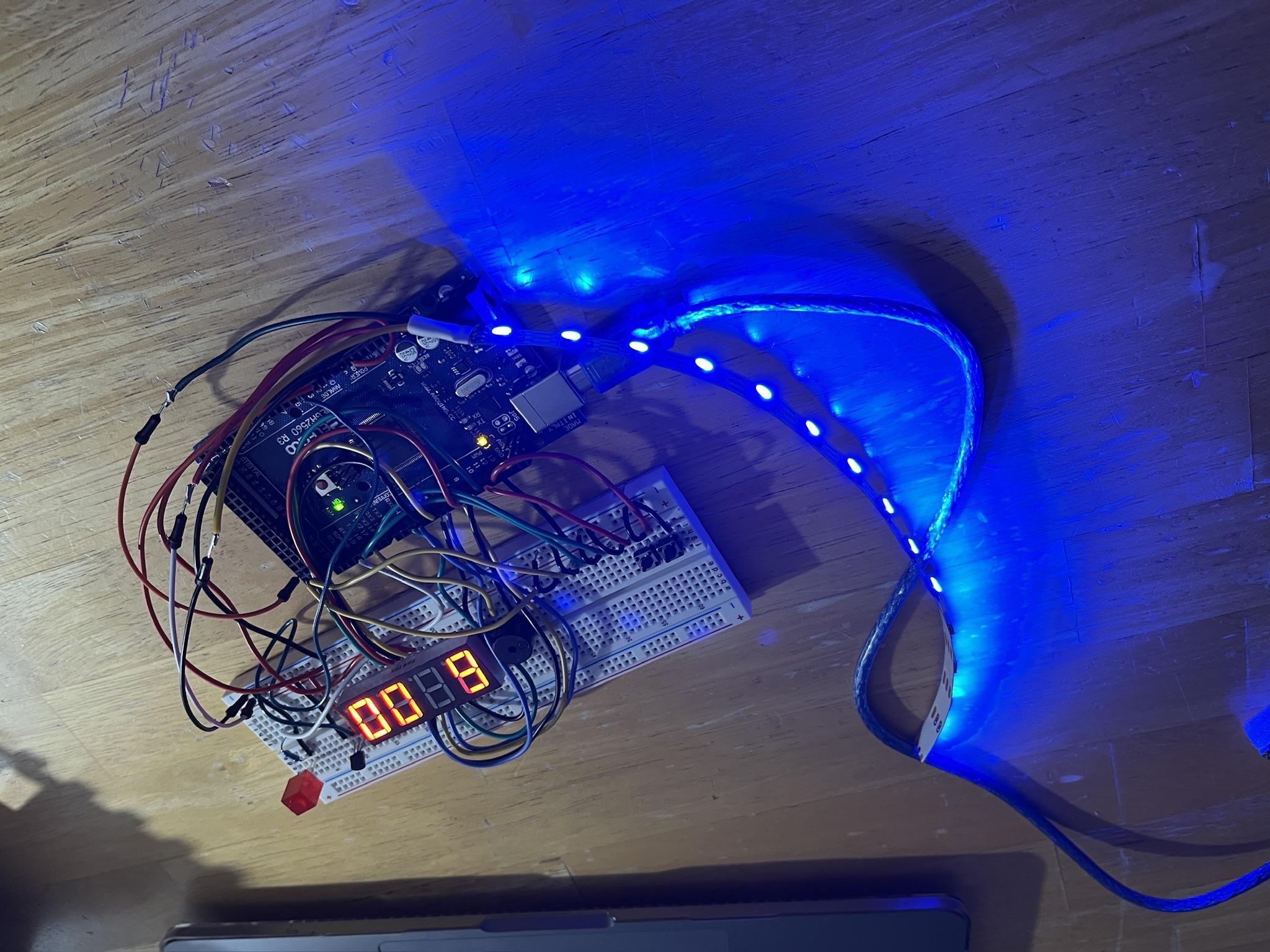
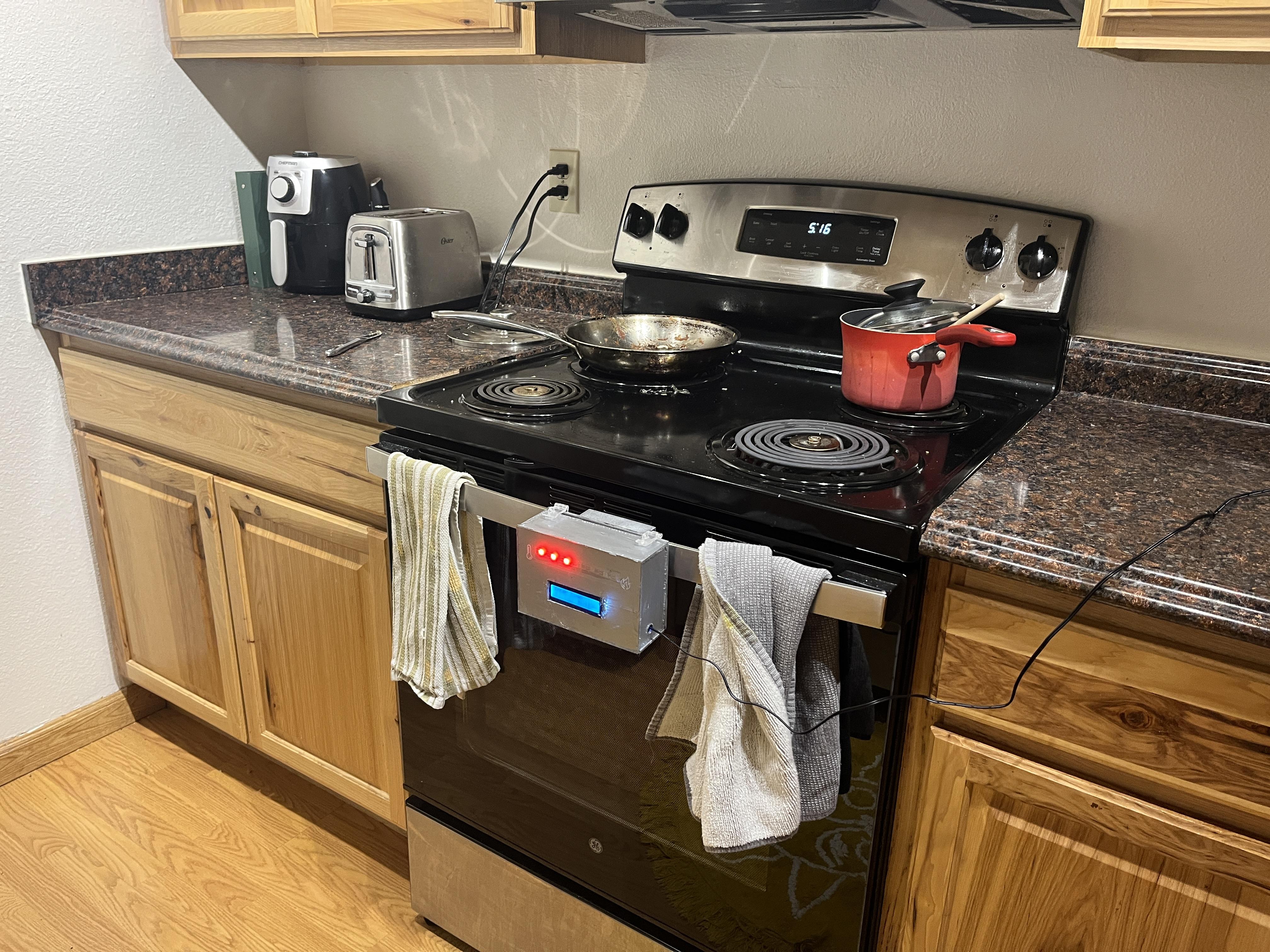
A semester-long physical computing project solving a real pet peeve: a roommate leaving the oven on. Across two full iterations over 16 weeks, the device evolved from a basic countdown timer with buttons to a remote-controlled screen with custom messages, a countdown timer, and a NeoPixel temperature gauge. Each iteration followed a low-to-high fidelity prototyping process using Arduino Uno and hand-built enclosures.
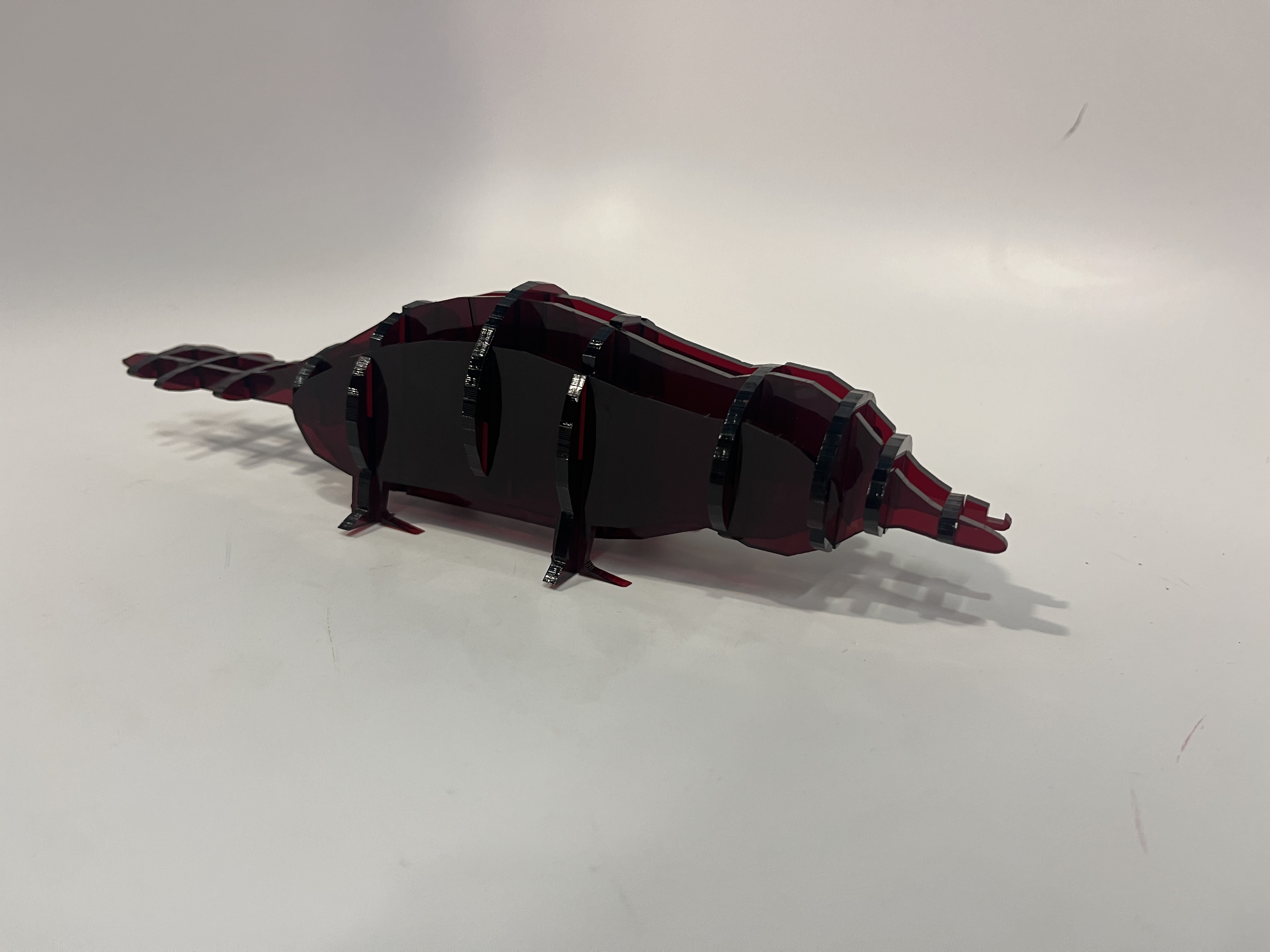
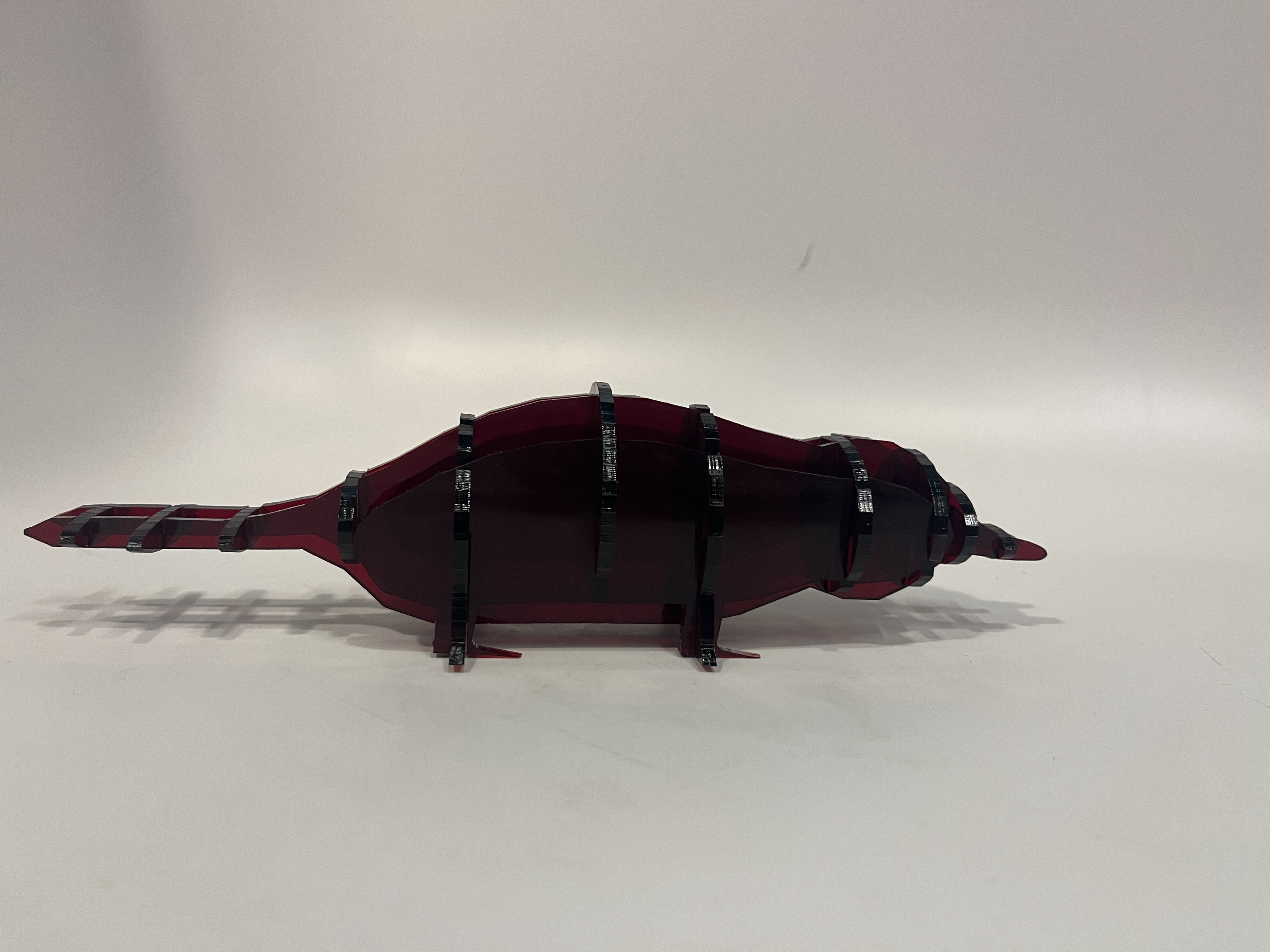
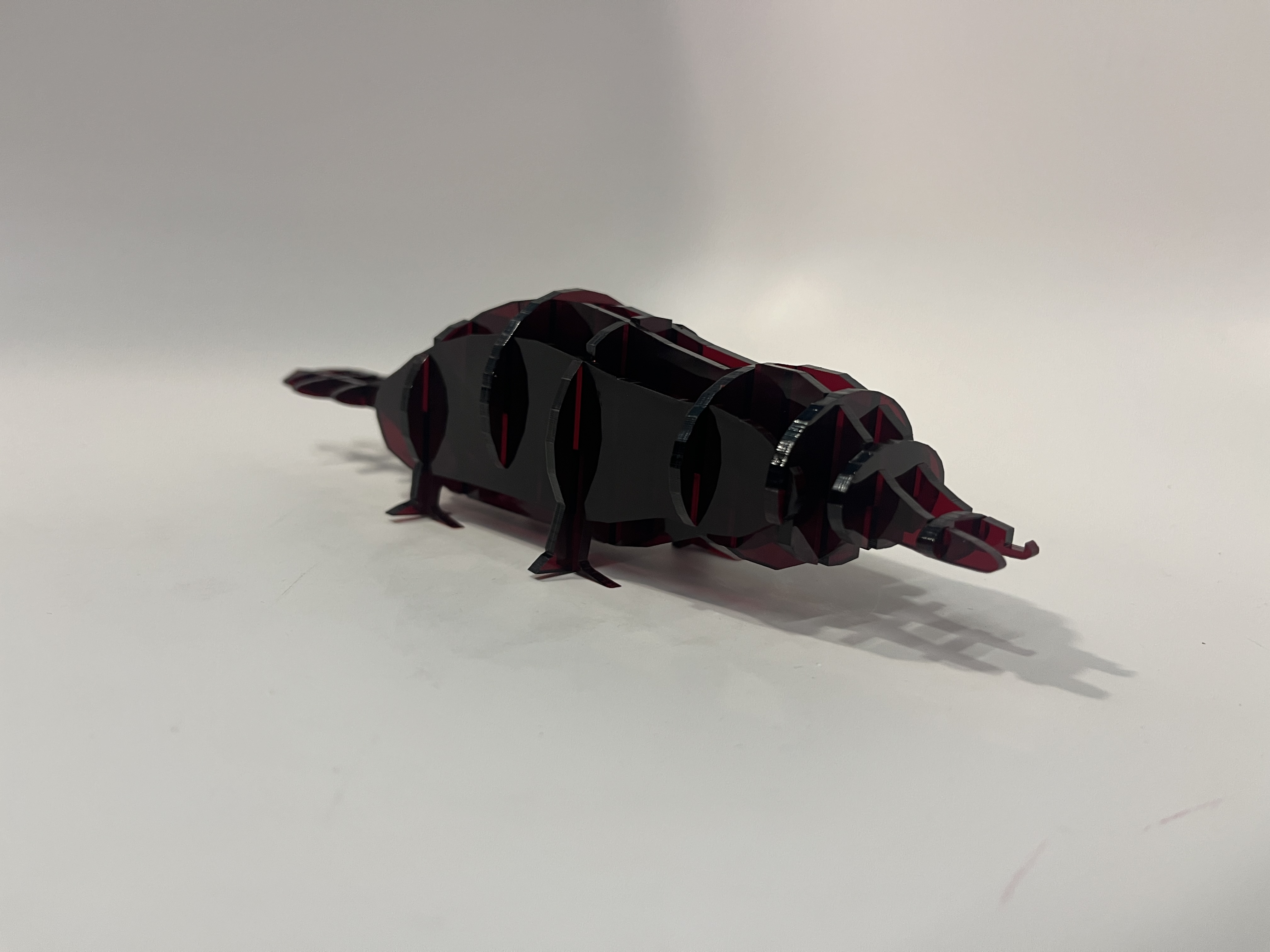
A 3D-modeled platypus designed in SketchUp and laser-cut on an Epilog cutter as interlocking flat pieces that slot together into a freestanding 3D form. The project required thinking spatially in reverse — designing a 3D animal as a series of 2D cross-sections that assemble without fasteners
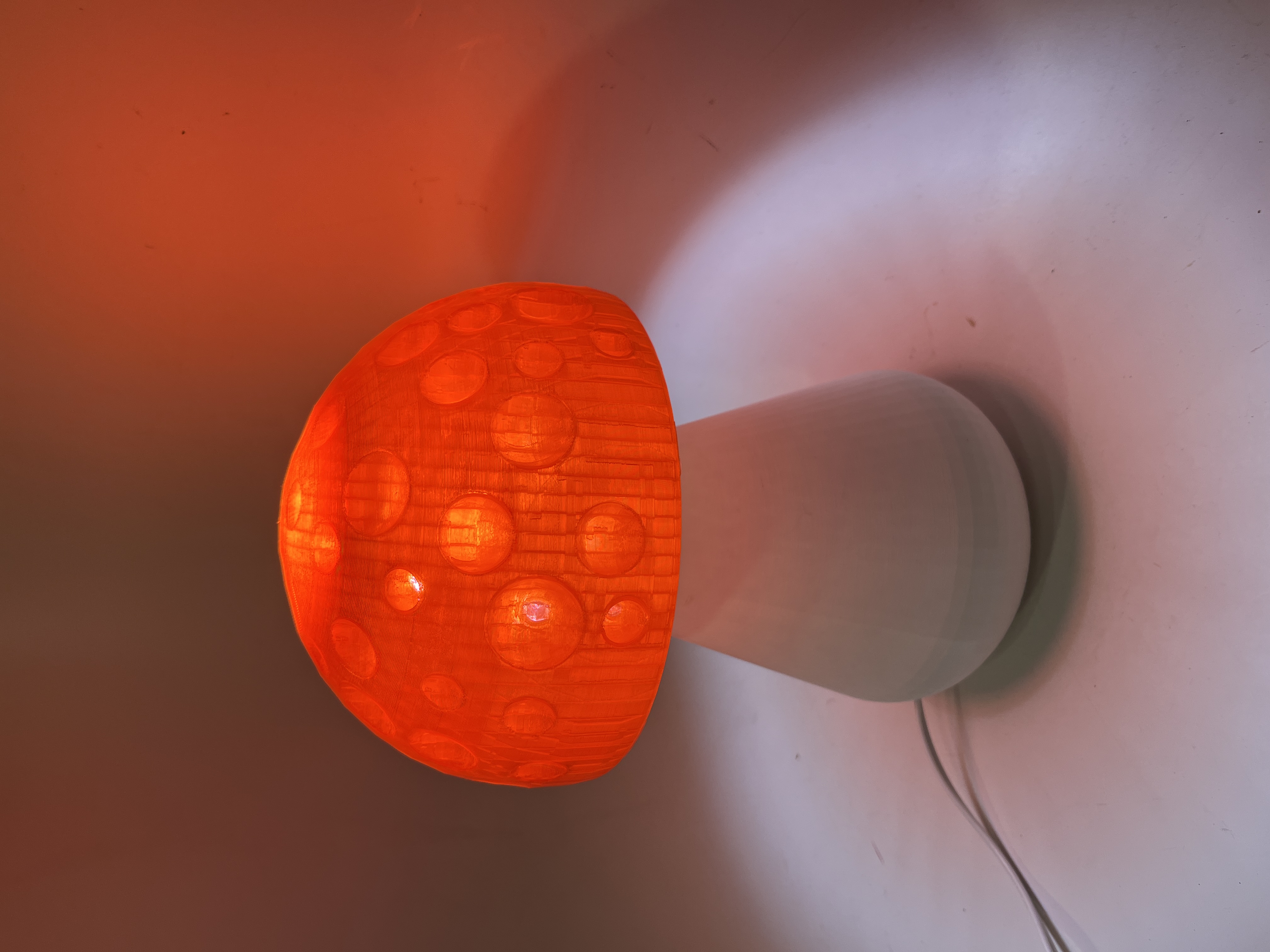
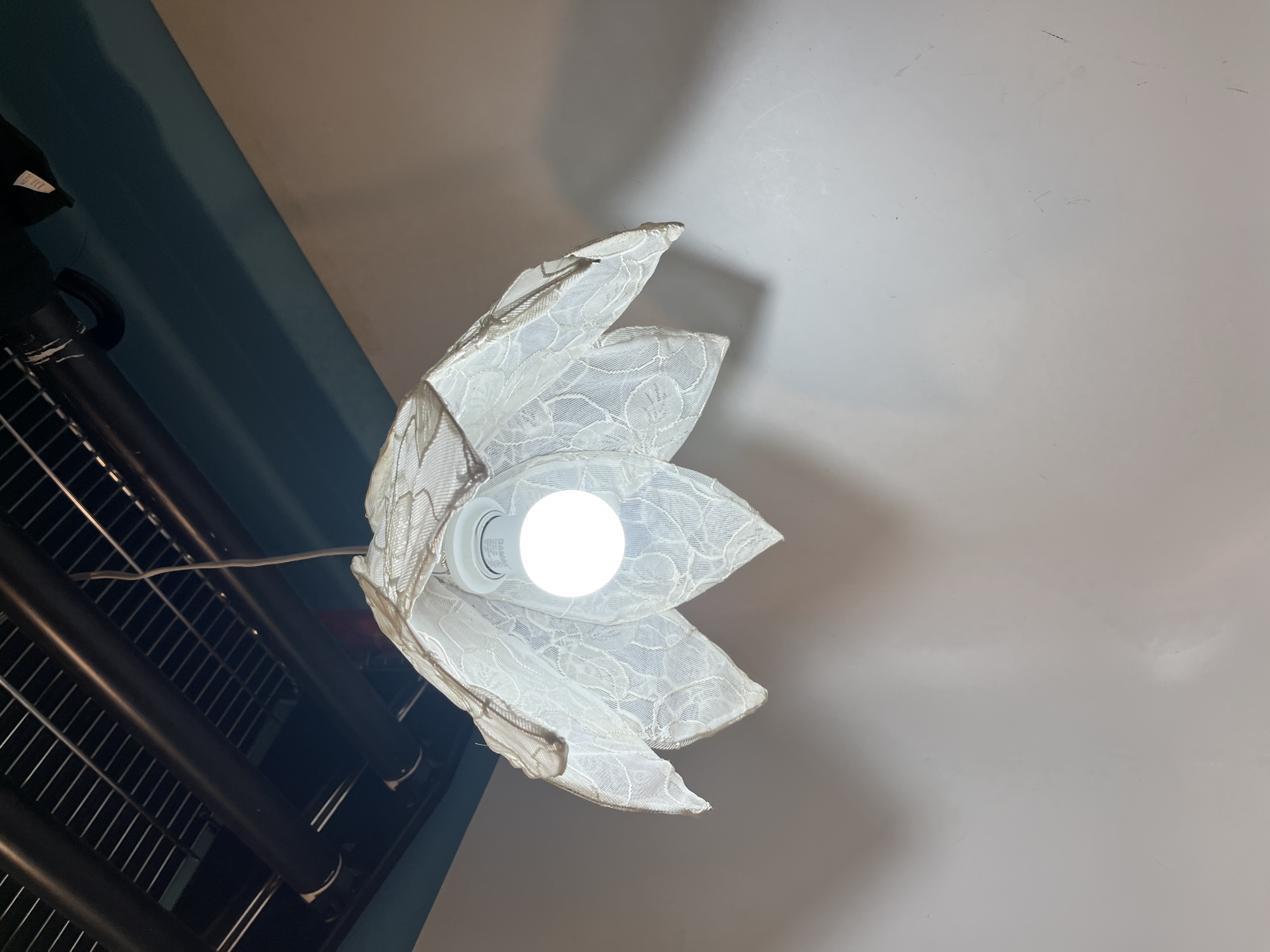
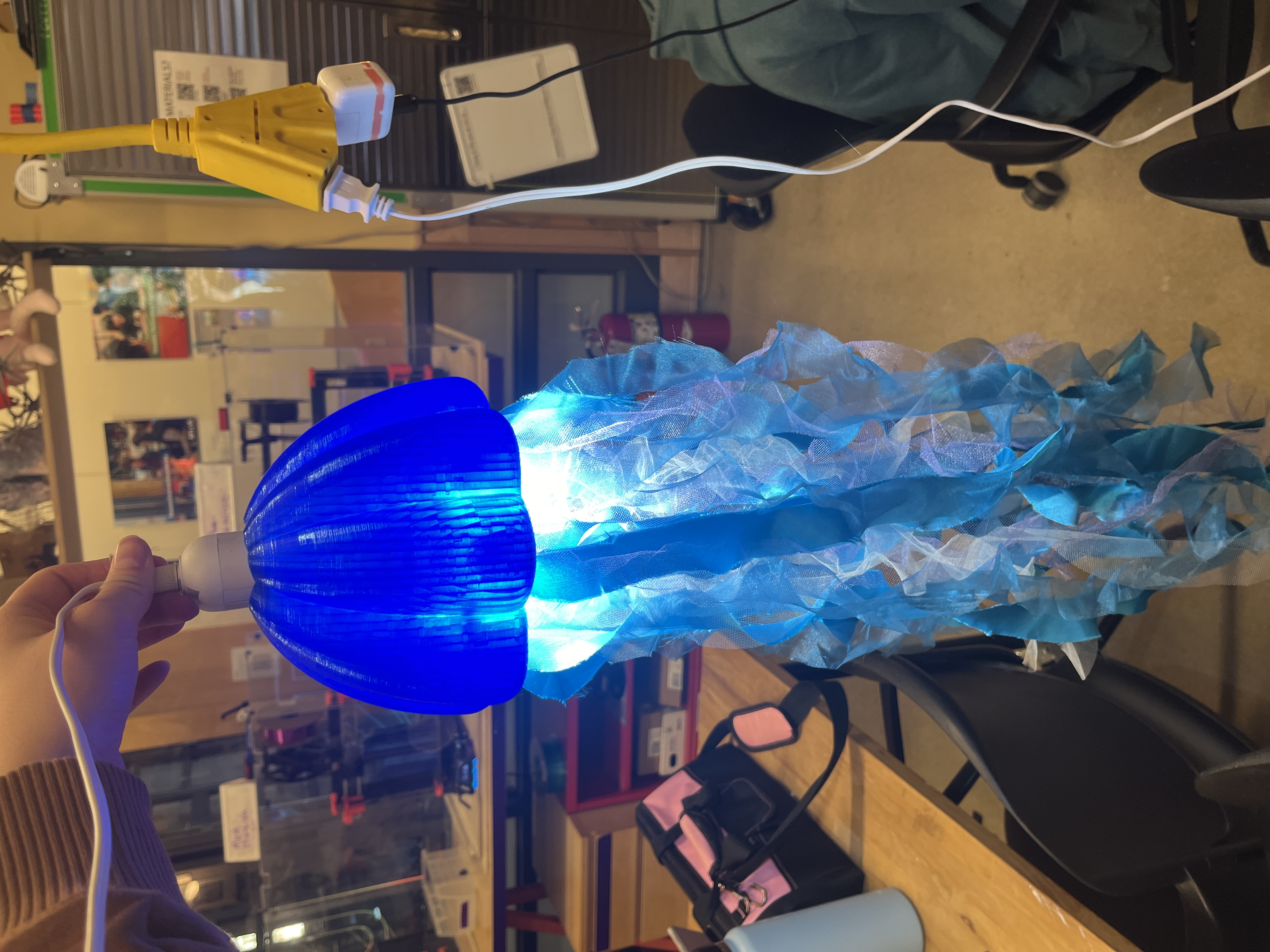
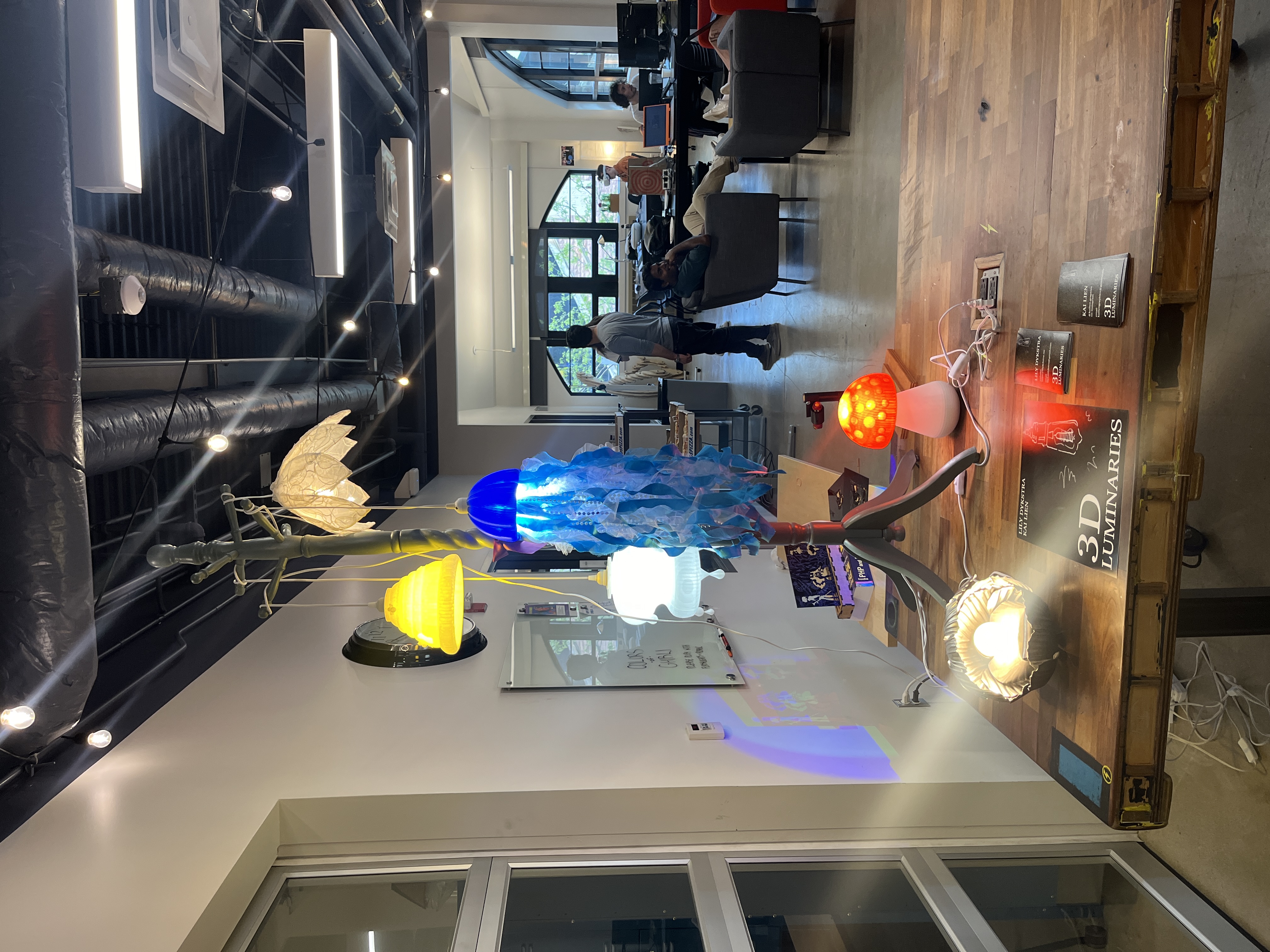
A fabrication project demonstrating 3D modeling and production skills through lamp design. Three distinct lamps were produced — a mushroom lamp 3D printed on a Prusa Mk-4, a jellyfish lamp using hand-sewn fabric and wire-working, and a flower lamp combining multiple techniques. Each explored a different material logic and method of diffusing light.
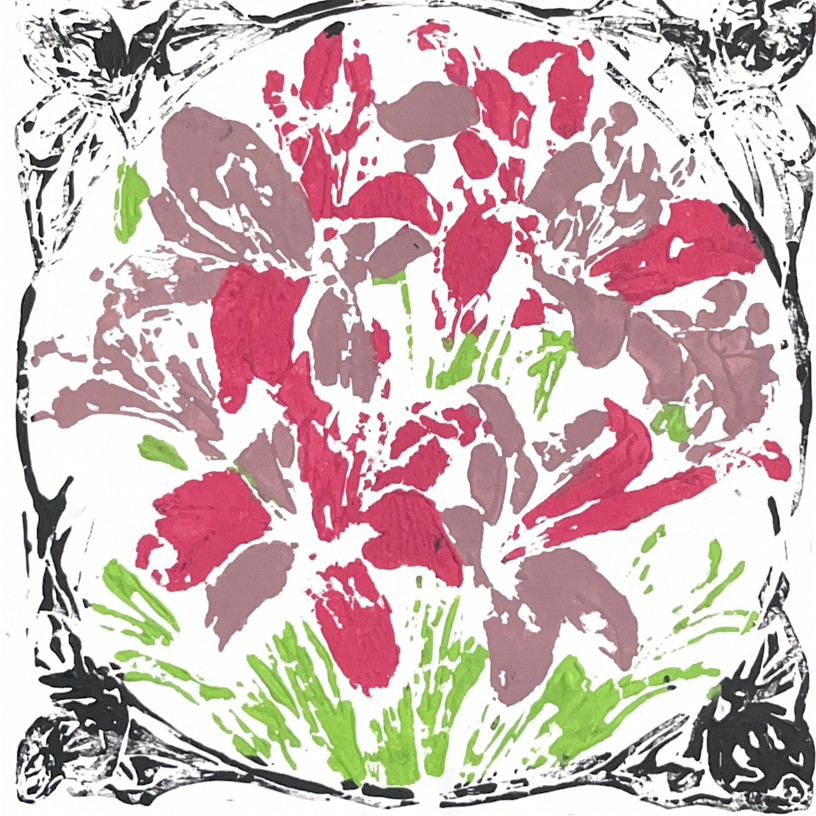
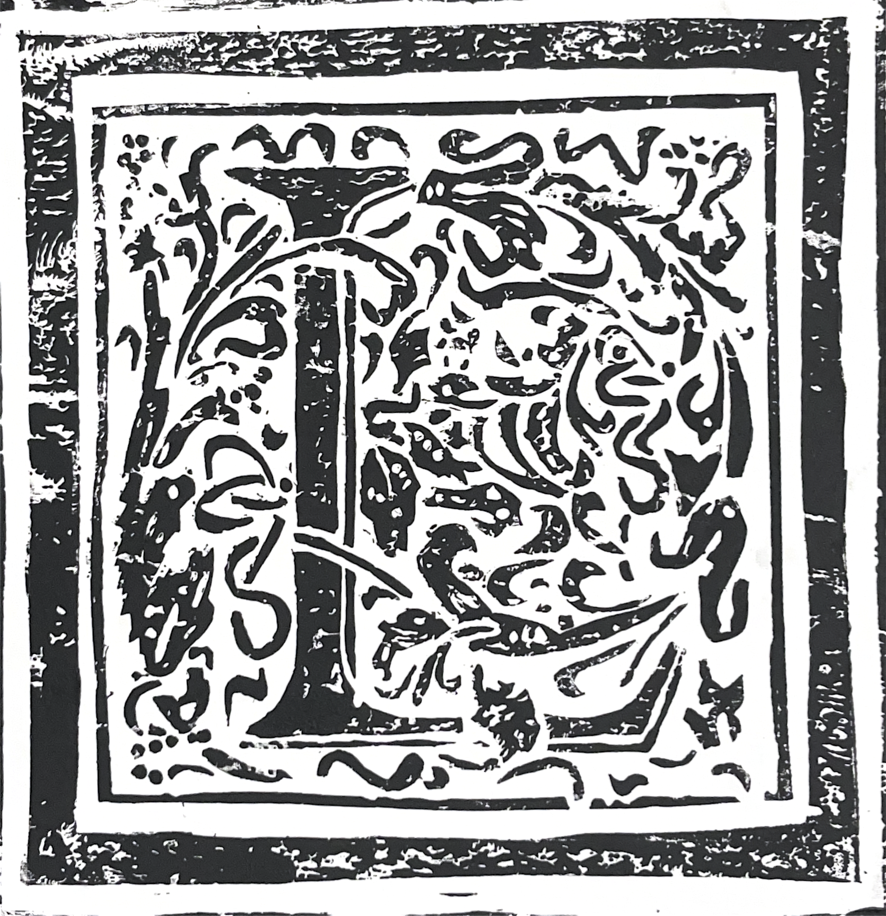
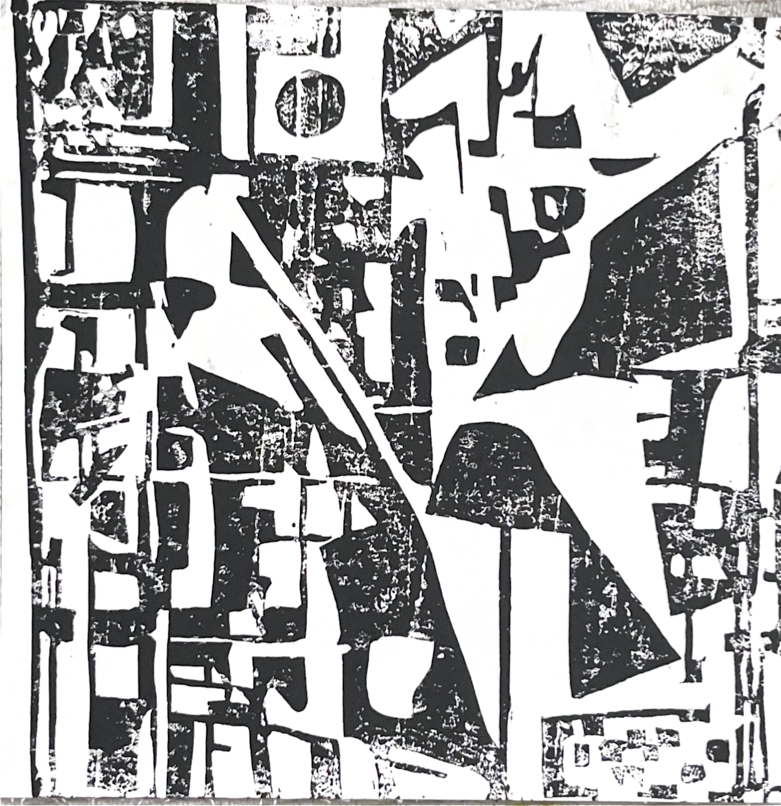
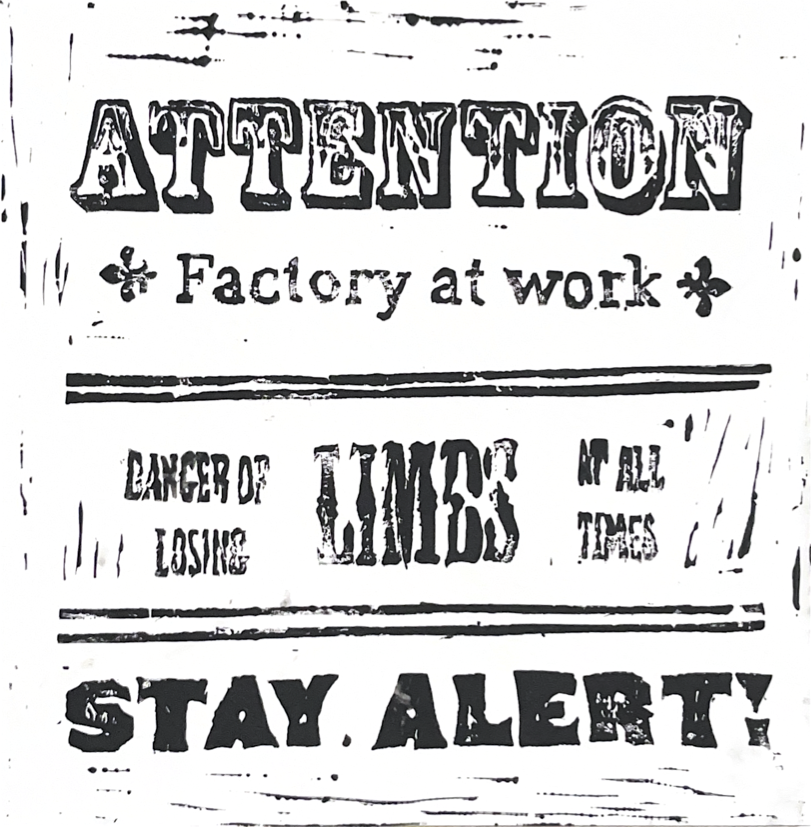
A hand-carving project using linoleum to mimic woodblock printing, tracing the history of graphic design through posters representing illuminated manuscripts, Art Nouveau, industrial typefaces, and Cubism. Reference imagery was generated with AI tools and refined in Adobe Illustrator before being hand-carved and printed.
Patchwork bags and garments sewn from repurposed and remnant fabrics — practical making that crosses over into material play. Patterns are often modified, combined, or improvised along the way, turning thrifted material into things that actually get used and worn. The work lives at the intersection of sustainability and craft.
Hand-bound books using traditional binding structures including Coptic stitch, Japanese stab binding, and case binding. The project was an exploration of book-as-object: how the binding structure shapes the way a book is held, opened, and experienced over time. Cover materials ranged from cloth and leather remnants to repurposed packaging and handmade paper.